













Memtime alternatives in 2026: 8 tools compared

If you want a Memtime alternative that keeps automatic capture, Timely is the closest like-for-like swap, with RescueTime and DeskTime not far behind. If you would rather drop passive background tracking for a simpler, intentional workflow with reports and invoicing, a genuinely free all-in-one like Timen — tracking, reporting, and invoicing with no per-seat bill — is the better pick, with Toggl Track and Clockify close behind.
Memtime is built around a simple promise: stop making people babysit timers all day and instead reconstruct work from an automatically captured timeline. That appeals to people who hate start-stop tracking and switch contexts constantly, and it is why the strongest replacements tend to be other passive-capture tools rather than plain timers.
Teams usually look elsewhere when they need more project structure, more shared reporting, different privacy tradeoffs, or a lower-cost way to get a similar result. This guide covers the best Memtime alternatives in 2026, ordered by how close each one sits to what Memtime actually does.
Why teams switch from Memtime
The decision to leave Memtime usually comes down to what happens after the timeline is captured.
- They want stronger project and task controls around the captured data.
- They need more shared reporting for teams, clients, or managers.
- They want a lower-cost or more established option in the same category.
- They want less dependence on passive background collection.
- They need a product that fits billing or timesheet workflows more directly.
So the best alternative is either a better automatic-tracking product or a cleaner intentional tracker that makes review easy without capturing everything in the background.
What to look for in a Memtime replacement
Before you shortlist anything, decide whether automatic capture is still the non-negotiable requirement or simply the habit you have now. For a lot of solo users it is really just insurance against forgetting to log billable hours, and a lighter manual workflow can close that gap just as well.
- Passive capture quality if your team still wants to avoid timers entirely.
- Project, client, and reporting structure if the data has to support real workflows.
- Manual correction tools so captured time can be trusted and cleaned up.
- A privacy posture the organization is genuinely comfortable with.
- Pricing that fits solo users, small teams, or larger rollouts appropriately.
- Cost — and whether a "free" plan actually covers what you need, or quietly gates invoicing and reporting behind paid seats.
The right answer usually becomes obvious once you know whether the team wants to keep automatic capture or just wants easier review of manual time.
How we compared these tools
This list is meant to be practical rather than promotional, so here is how it was put together.
- We used each tool hands-on for real tracking rather than reading feature pages.
- Ratings are pulled from G2 at the time of writing in July 2026 and will drift over time.
- Pricing comes from each vendor's public pages and is rounded to the nearest sensible figure.
- Ordering reflects how close a fit each tool is for a typical Memtime user, so passive and automatic-capture tools sit near the top and intentional trackers follow.
- Timen is placed where it genuinely fits, mid-list, as the simpler option — a calendar you review the day in — rather than at number one.
Best Memtime alternatives in 2026
These alternatives cover both sides of the Memtime decision: keeping automatic capture or replacing it with more deliberate project-based tracking. The first real question is usually which tracking method you actually want.
1. Timely — the closest like-for-like swap
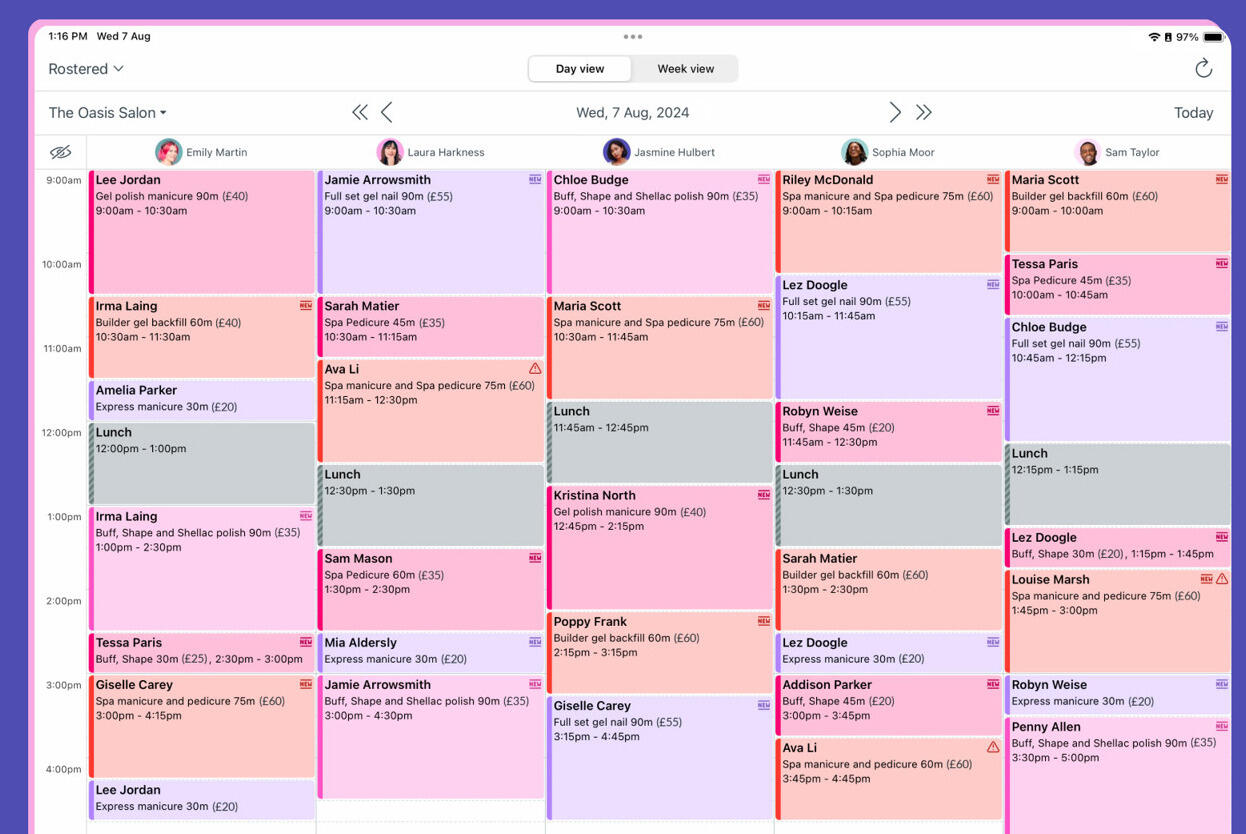
Best for: Teams that want to keep Memtime-style automatic capture but point it at projects, budgets, and manager-facing reporting.
- Pricing: Yearly plans start at $9 per user/month; monthly Starter is $11 per user/month
- Rating: 4.8/5 on G2
Timely is the closest thing to a direct Memtime replacement because it keeps memory-based automatic capture at the center of the product. The difference is where that timeline ends up: Timely is built to turn captured activity into project hours, budgets, and reports a manager can actually use, rather than leaving it as a personal record.
That makes it the natural pick when you like passive tracking but need the output to become team-ready without adding a start-stop habit.
Pros
- Keeps automatic, memory-based capture so people avoid timers.
- Turns captured time into project, budget, and client reporting.
- Polished interface that most teams pick up quickly.
- Strong fit when the timeline has to satisfy managers, not just the individual.
Cons
- More expensive than budget timesheet tools as headcount grows.
- Automatic capture still raises the same privacy questions as Memtime.
What users say about Timely
On G2 and Capterra, reviewers repeatedly praise how little effort Timely takes day to day, since the automatic memory does most of the logging and the reports come out clean. The recurring criticisms are pricing at larger team sizes, a learning curve on the AI suggestions, and the same discomfort with background capture that pushes some people away from this whole category.
Source: G2 reviews and Capterra reviews
If Timely is on your shortlist, the head-to-head reads worth your time are Timely vs RescueTime and Toggl Track vs Timely.
2. RescueTime — best for focus and habits
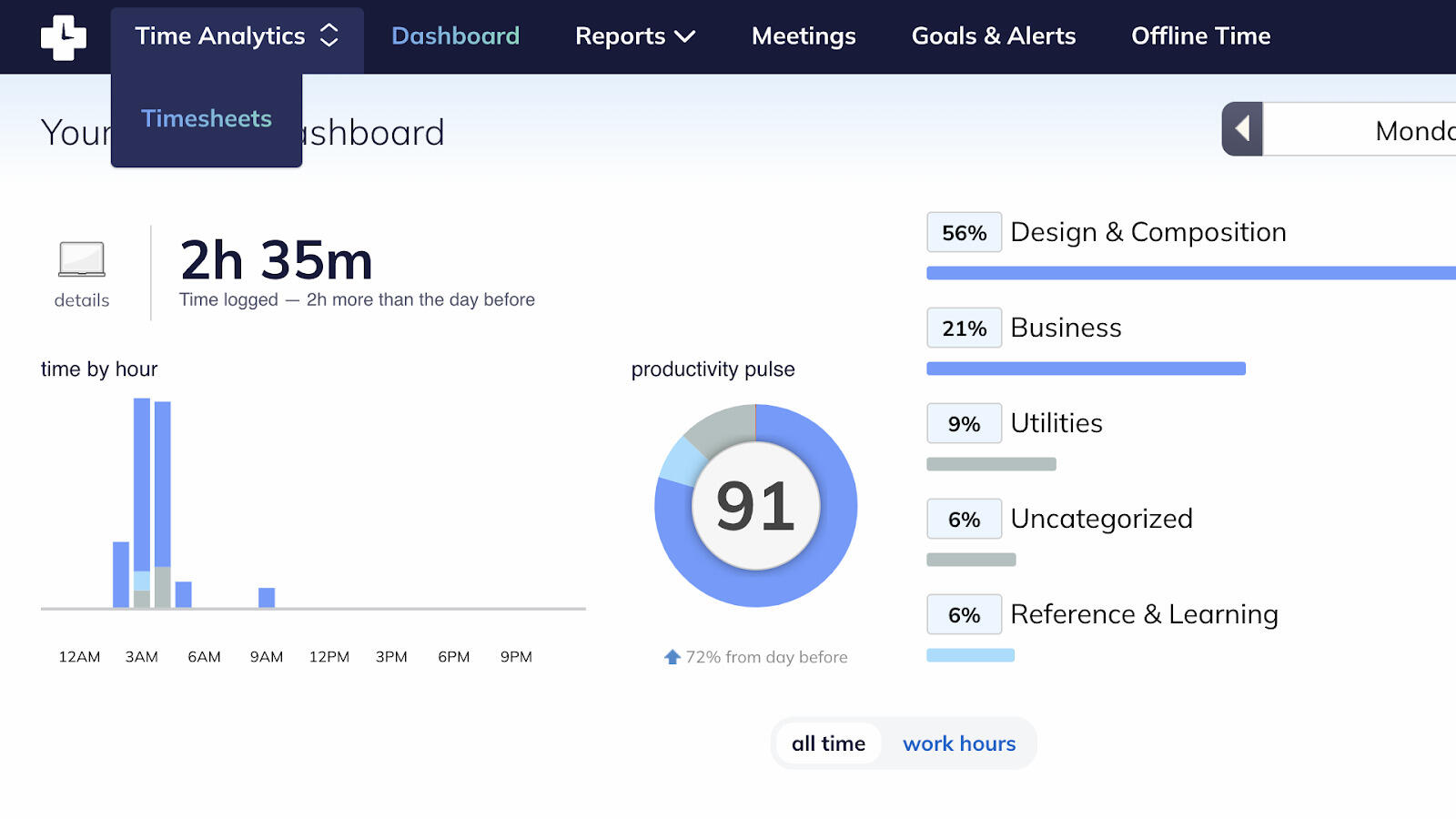
Best for: People who want Memtime replaced by focus and productivity insight rather than project-oriented work reconstruction.
- Pricing: Paid plans start around $12 per month
- Rating: 4.1/5 on G2
RescueTime is the right call when the team is not really asking for project-ready timelines at all, but for a better understanding of focus, habits, and digital activity. It stays fully automatic like Memtime, yet it leans toward productivity analytics rather than structured time reporting.
That makes it a better fit for individuals and small teams who care about where time goes, not necessarily how it maps to billable work.
Pros
- Strong focus and distraction insight for knowledge workers.
- Automatic tracking stays central to the experience.
- Useful for improving habits and time awareness.
- Good choice when project structure is not the main priority.
Cons
- Less useful for team reporting and client workflows than Memtime.
- Privacy concerns and limited project structure still matter.
What users say about RescueTime
The common review pattern on G2 and Capterra is that RescueTime does a good job of revealing habits, distractions, and personal productivity patterns without much effort from the user. The recurring downsides are privacy concerns, weaker project reporting, and limits when users want more control over how activity gets categorized or shared.
Source: G2 reviews and Capterra reviews
For a broader RescueTime shortlist, see the best RescueTime alternatives, or go straight to Timely vs RescueTime for the direct comparison.
3. DeskTime — automatic capture with monitoring
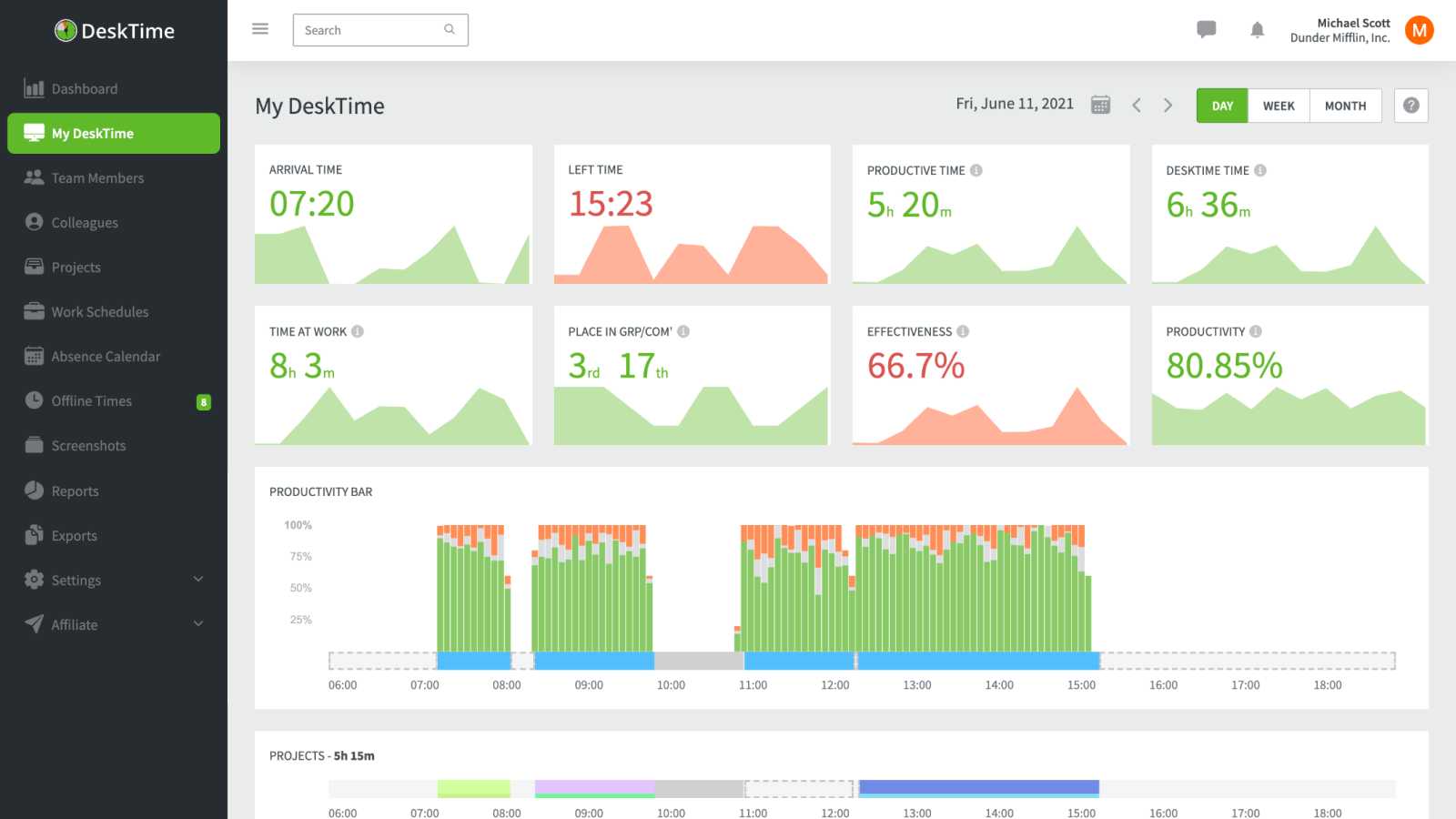
Best for: Teams that want to keep automatic tracking like Memtime but add productivity scoring and manager visibility on top.
- Pricing: Pro starts at $6.42 per user/month billed annually
- Rating: 4.5/5 on G2
DeskTime keeps the passive side of Memtime but points it at productivity monitoring and attendance rather than personal work reconstruction. It captures background activity automatically and then grades it, so managers get a productivity picture across a team rather than a private timeline for one person.
That makes it a sensible move when you want to keep automatic capture but also need oversight, as long as the team is comfortable with a more monitored posture.
Pros
- Automatic capture with productivity scoring built in.
- Useful activity and attendance metrics for remote or hybrid teams.
- Gives managers more oversight than Memtime offers.
- Reduces manual tracking while keeping visibility across the team.
Cons
- Monitoring raises real privacy and culture questions.
- Bug and pricing complaints still show up in user feedback.
What users say about DeskTime
G2 and Capterra reviews often describe DeskTime as useful for automatic tracking and productivity visibility, especially for managers watching work patterns across a distributed team. The recurring negatives are privacy concerns, occasional stability issues, and pricing that becomes less attractive as team size grows.
Source: G2 reviews and Capterra reviews
If monitoring is the sticking point, it helps to first decide which tracking method your team is actually willing to live with.
4. TimeCamp — automation plus stronger reporting
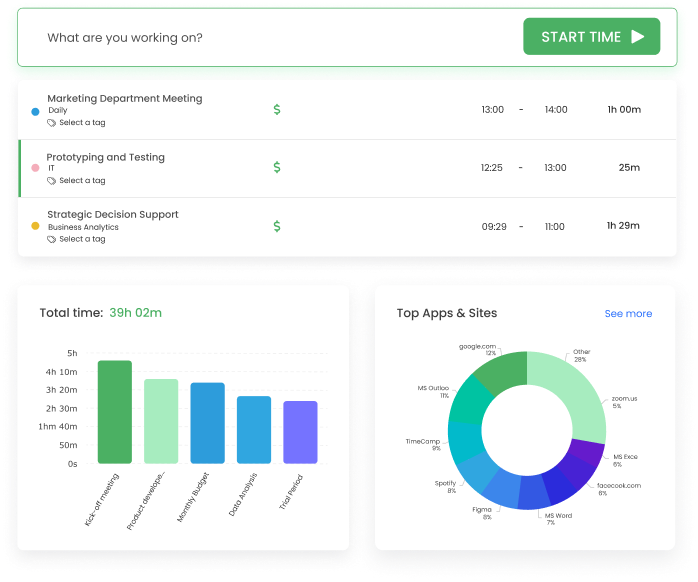
Best for: Teams that want to keep some automatic capture but gain much stronger reporting and billable workflows.
- Pricing: Starter starts at $3.99 per user/month billed annually
- Rating: 4.7/5 on G2
TimeCamp sits between passive capture and full timesheets. It still offers automatic and background-capture options, so it does not force an abrupt switch away from how Memtime works, but it adds the kind of reporting, exports, and billing structure that Memtime never tried to provide.
That makes it a strong candidate when management is getting more involved in how time data is used and you are not ready to give up automation entirely.
Pros
- More operational reporting than Memtime.
- Still supports automatic-capture style workflows.
- Useful for billing, exports, and internal analysis.
- Good fit for teams formalizing their time process.
Cons
- Busier and less elegant than Memtime.
- Bug and reliability concerns still matter.
What users say about TimeCamp
G2 and Capterra reviews often say TimeCamp gives teams the reporting flexibility and tracking variety they need for billing and internal management. The consistent complaints are software bugs, occasional data issues, and a workflow that can feel more complex than expected.
Source: G2 reviews and Capterra reviews
See the best TimeCamp alternatives for a wider shortlist, or read Hubstaff vs TimeCamp if you are weighing monitoring against reporting.
5. Timen — free, hands-on tracking with reports and invoicing
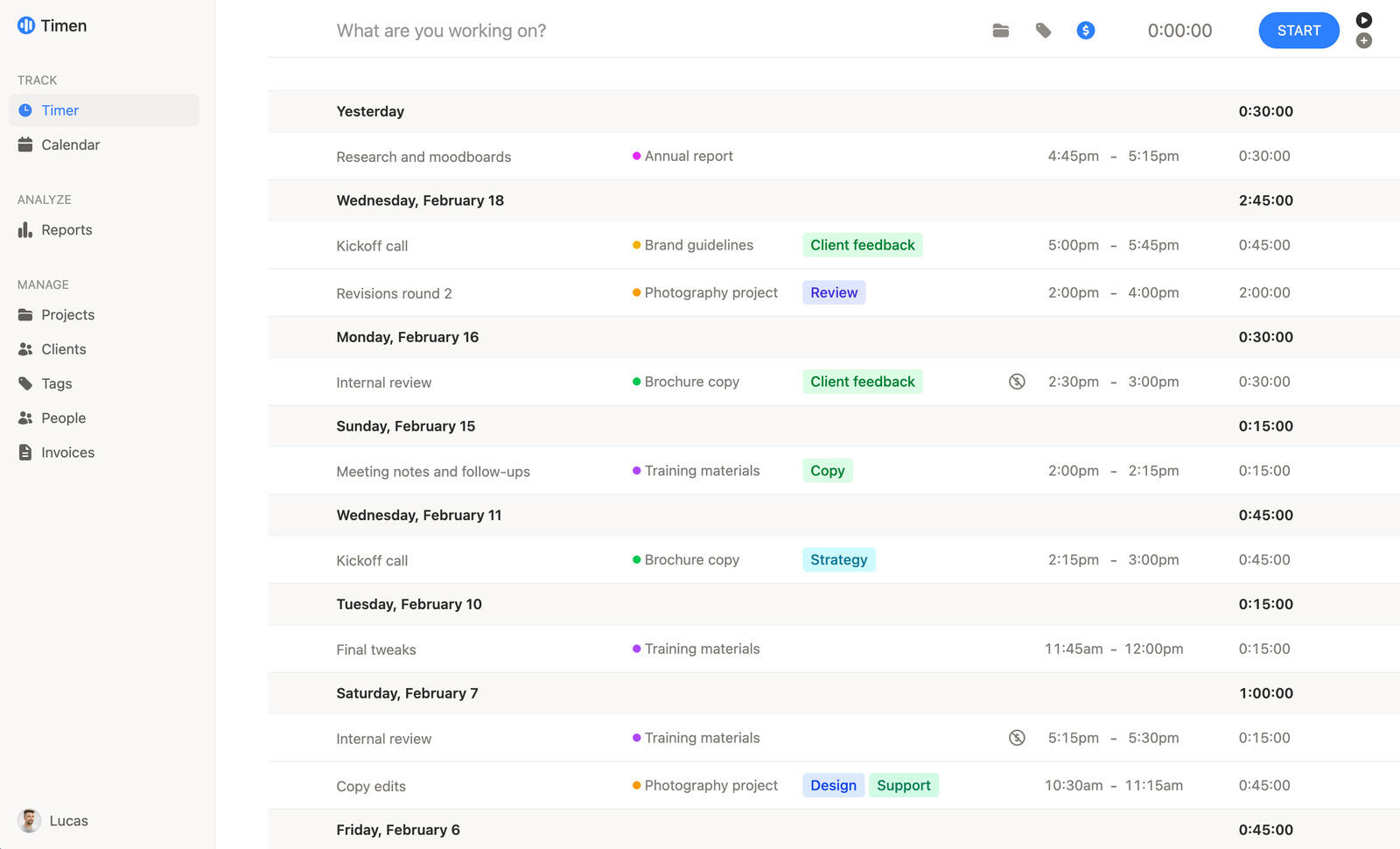
Best for: Teams that want a genuinely free all-in-one — tracking, reporting, and invoicing — with no per-seat bill, having decided passive capture is not worth the tradeoffs.
- Pricing: Free — every feature included, including invoicing.
Timen takes the opposite approach to Memtime. Instead of reconstructing your day from background activity, it makes intentional tracking light enough that the calendar view still helps you remember what you worked on. The payoff is that time is already structured for the things Memtime leaves you to build later: clean reports and invoices your team and clients can actually use.
It sits mid-list here on purpose. If keeping automatic capture is the whole point, Timen is not your tool. If passive tracking was really just a way to avoid friction, Timen removes that friction a different way, and it is the one option on this list where every feature is free.
Pros
- Free with every feature included — invoicing and all — where most trackers charge per seat and gate invoicing behind higher tiers.
- Clearer team workflow than a collection of individual passive timelines.
- Calendar review still helps people reconstruct what they did.
- Reports and invoicing are built in, not bolted on.
- Good fit for teams that want less background monitoring, at no cost.
Cons
- Does not keep Memtime's automatic capture model at all.
- Newer product with a smaller integration ecosystem than incumbents.
- No productivity monitoring, payroll, or attendance features.
- Requires a more intentional tracking habit than passive tools.
Why teams pick Timen
Teams that move to Timen from a capture-based tool usually tell us the same thing: they wanted the outcome, not the surveillance. A quick calendar-based habit gives them time they trust, reports they can share, and invoices they can send, without a background agent watching every window. Full disclosure: this is our tool, so treat this as our own view rather than a neutral review, and judge it against the honest cons listed above.
If you are still weighing capture against intention, the timer vs timesheet vs calendar breakdown is the fastest way to decide whether Timen fits.
6. Toggl Track — the clean intentional timer
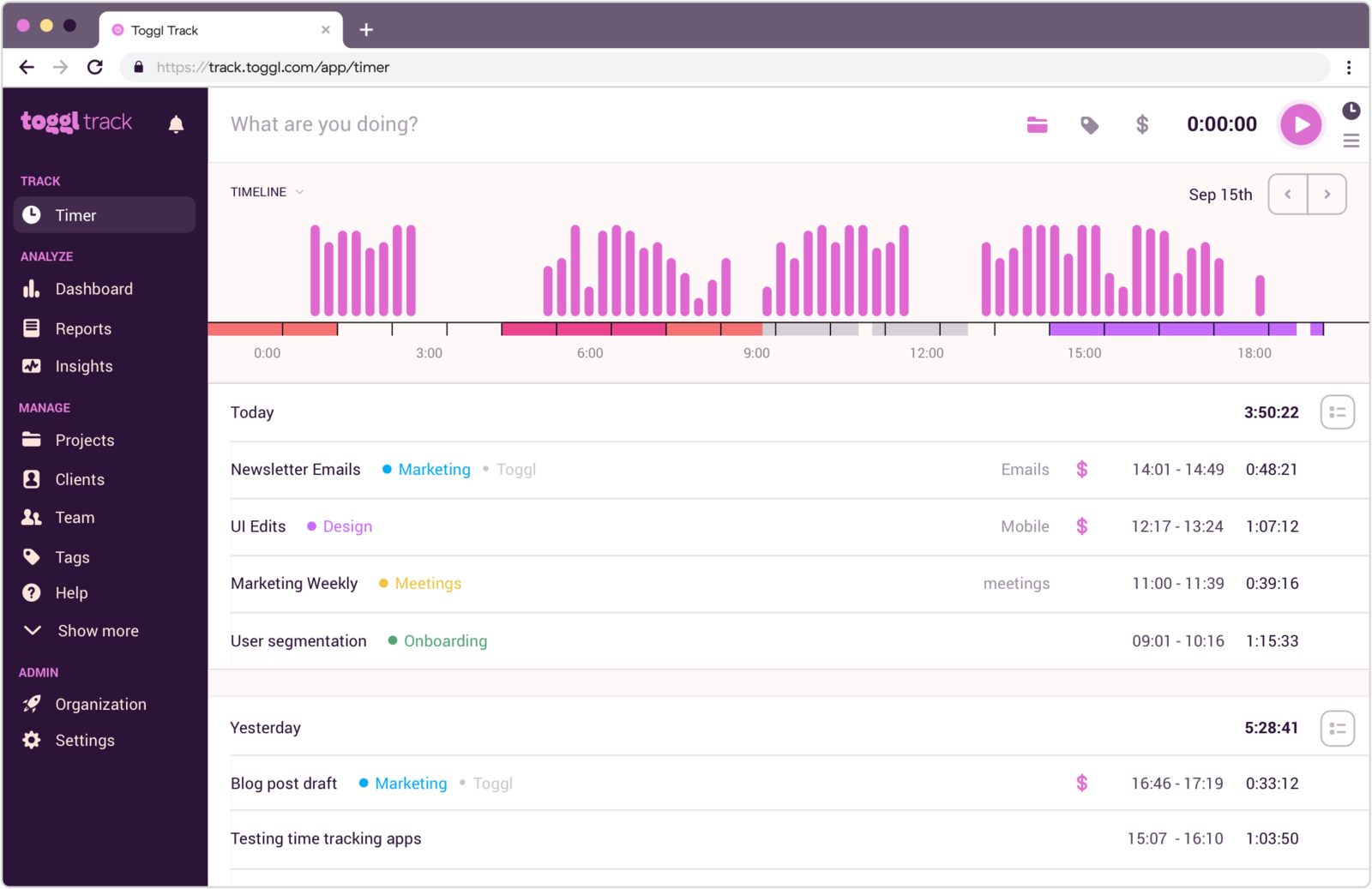
Best for: Teams leaving Memtime's passive capture for a simple, explicit timer workflow.
- Pricing: Free plan available; paid plans start at $9 per user/month
- Rating: 4.6/5 on G2
Toggl Track is the cleanest reset if you have decided background capture is not for you. It swaps the automatic timeline for a straightforward loop of timers, projects, and reports, and it is deliberately easy to adopt, so a team can be up and running in a day.
It is a strong fit when ease of use and a trust-based culture matter more than reconstructing every minute automatically. That said, some small teams still find its projects and workspaces heavier than they need — if that sounds familiar, it is worth asking whether Toggl is too much for a small team and how others handled the move to a simpler tracker.
Pros
- Very simple adoption and a clean timer workflow.
- Useful reports without any intrusive monitoring.
- Generous free plan for individuals and small teams.
- Strong option for teams re-centering around autonomy.
Cons
- Abandons the passive capture that drew people to Memtime.
- Editing entries and deeper project setup can get fiddly.
What users say about Toggl Track
Across G2 and Capterra, reviewers tend to value Toggl Track for ease of use, quick onboarding, and a timer workflow that stays manageable for busy teams. The recurring complaints are familiar: editing friction, a ceiling on project complexity, and some mobile limitations when fixing entries on the go.
Source: G2 reviews and Capterra reviews
See the best Toggl Track alternatives for a wider shortlist, or read Toggl Track vs Clockify if you are comparing those two directly.
7. Clockify — the budget project tracker
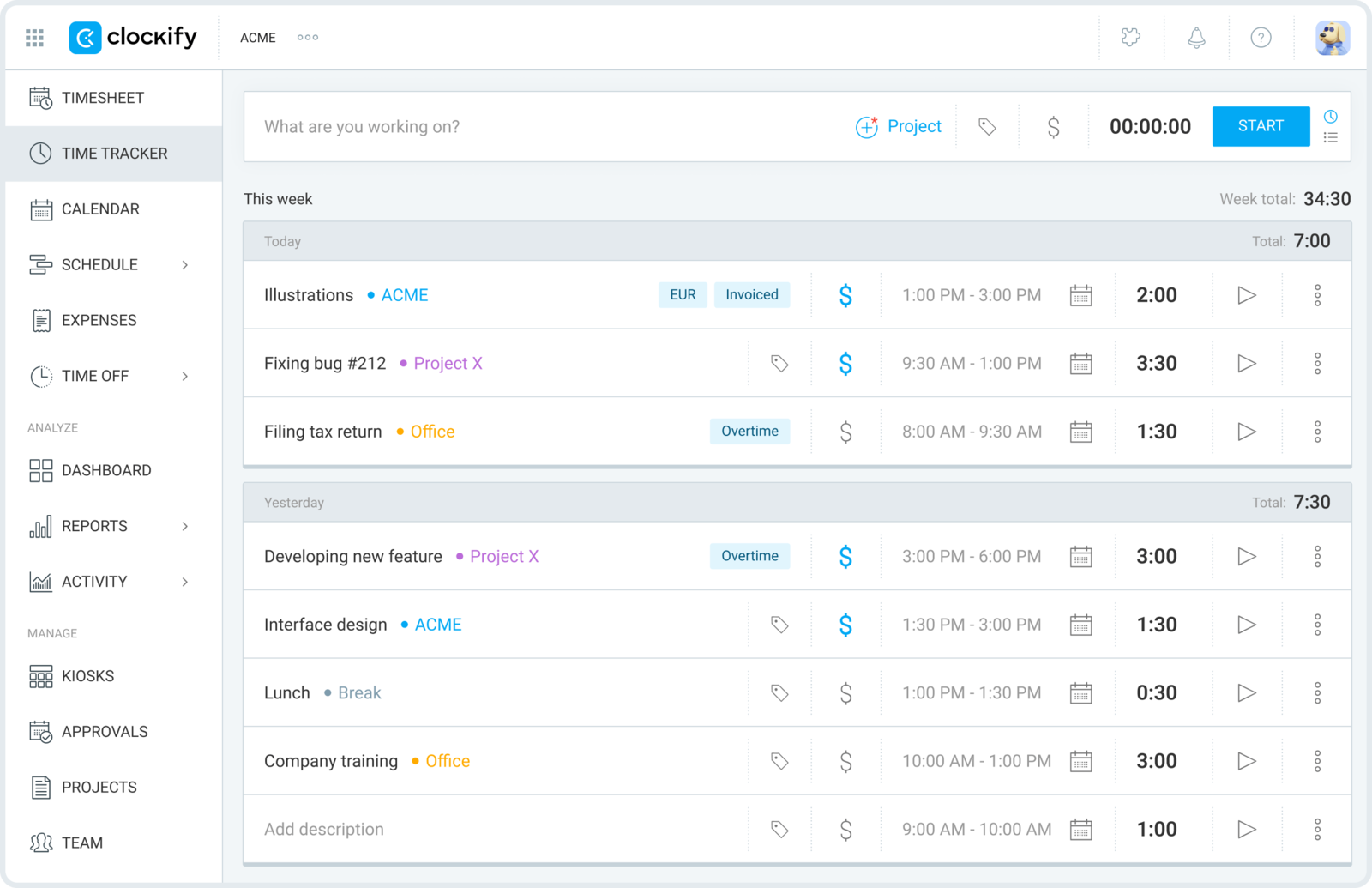
Best for: Teams that want the cheapest path from Memtime into basic project and client tracking.
- Pricing: Free plan available; paid plans start at $3.99 per user/month billed annually
- Rating: 4.5/5 on G2
Clockify is a good Memtime alternative when the team wants to replace passive tracking with explicit timesheets but keep the cost low. It gives teams projects, clients, reports, and billable tracking without trying to recreate automatic capture.
That makes it a sensible choice for teams standardizing timekeeping across more users on a tight budget. Before you lean on that free tier, though, it is worth checking what Clockify's free plan still includes in 2026, because the limits that used to make it such an easy yes have shifted.
Pros
- Low-cost way to move into shared timesheets.
- Useful projects and billable reports for teams.
- Free plan makes rollout easier to test.
- Good fit when Memtime's price is part of the switching decision.
Cons
- Not as polished as premium timer-first products.
- Manual process may feel like a bigger workflow change.
What users say about Clockify
The pattern across G2 and Capterra is that Clockify is affordable, easy to introduce, and effective for projects and billable time once teams are ready to track more intentionally. The recurring drawbacks are clunky edits, limited polish, and weaker mobile smoothness than some competitors.
Source: G2 reviews and Capterra reviews
You can widen the search with the best Clockify alternatives, or narrow it quickly with Toggl Track vs Clockify.
8. TrackingTime — collaborative timesheets
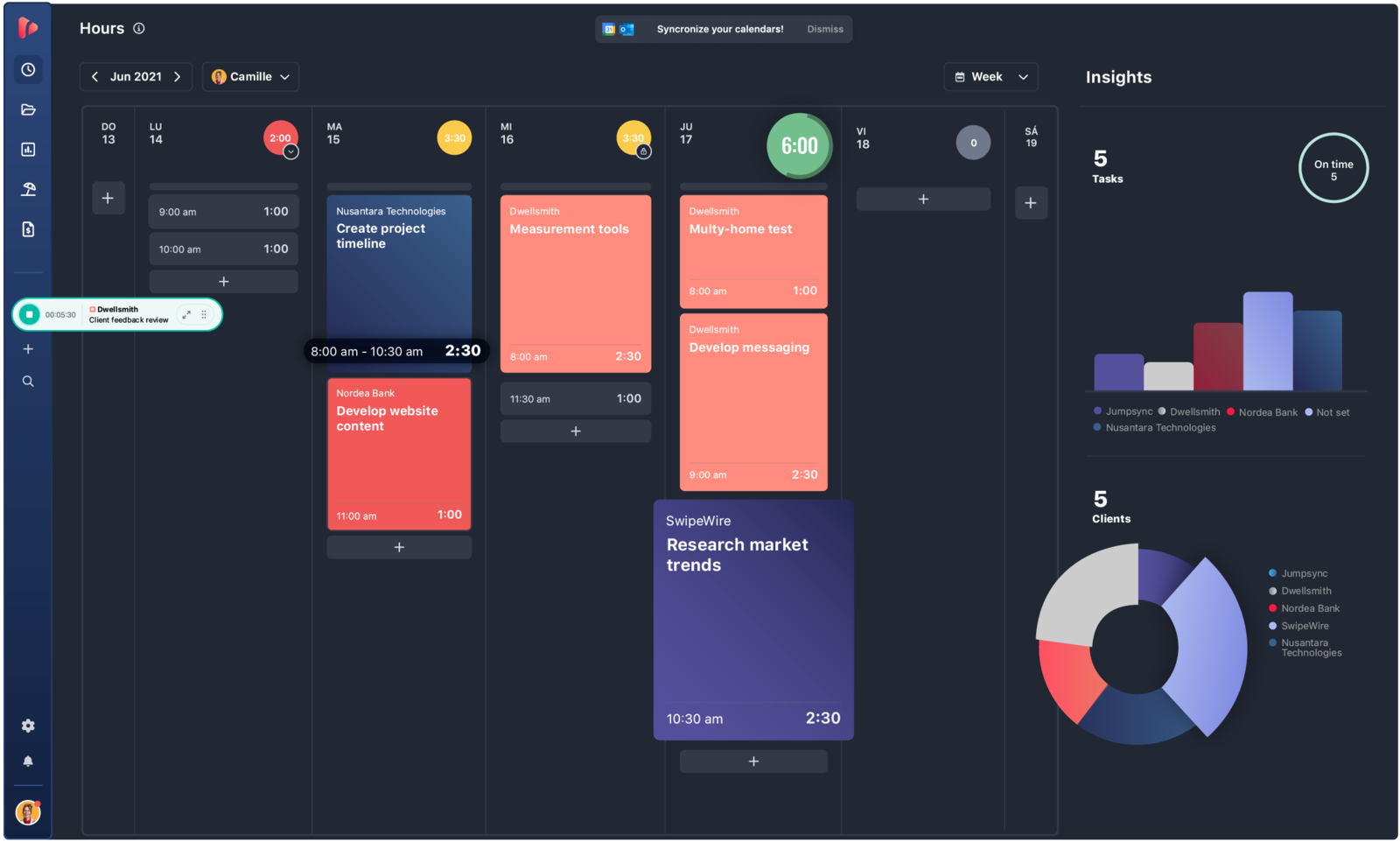
Best for: Small teams that want to leave Memtime for collaborative timesheets and reminders without overbuying a bigger platform.
- Pricing: Free plan available; Starter starts at $5.75 per user/month billed annually
- Rating: 4.4/5 on G2
TrackingTime is a practical Memtime alternative when the team wants to stop relying on passive capture and instead adopt a collaborative tracking habit with reminders, shared review, and project reports. It is less bare-bones than Clockify but much lighter than broader management platforms.
That balance makes it useful for smaller teams moving from individual tracking habits into shared operational ones.
Pros
- Good transition from solo-style tracking to team timekeeping.
- Shared reminders support better consistency.
- Useful project reports without a heavy implementation burden.
- Good value for small teams needing more structure.
Cons
- Does not preserve Memtime's passive capture style.
- Timer and setup rough edges still need tolerance.
What users say about TrackingTime
Reviewers on G2 and Capterra usually describe TrackingTime as strong value for collaborative timesheets, reminders, and reporting. The recurring friction points are setup complexity, timer behavior that can need cleanup, and integrations that are useful but not always seamless.
Source: G2 reviews and Capterra reviews
If TrackingTime feels close but not quite right, the best Clockify alternatives cover the rest of the lightweight timesheet field.
Memtime alternatives comparison
Use this table to see which tools keep automatic capture and which ones trade it for clearer, more intentional tracking.
| Tool | Best for | Complexity | Pricing |
|---|---|---|---|
| Timely | Automatic capture plus project reporting | Medium | Paid from $9 per user/month yearly |
| RescueTime | Focus and productivity insight | Low | Paid from about $12/month |
| DeskTime | Automatic productivity monitoring | Medium | Paid from $6.42 per user/month |
| TimeCamp | Flexible reports plus automation | Medium | Paid from $3.99 per user/month |
| Timen | A genuinely free all-in-one (tracking, reports, invoices) | Low | Free — every feature included |
| Toggl Track | Intentional timer-based tracking | Low | Free plan; paid from $9 per user/month |
| Clockify | Budget-friendly project tracking | Low to medium | Free plan; paid from $3.99 per user/month |
| TrackingTime | Collaborative timesheets and reminders | Medium | Free plan; paid from $5.75 per user/month |
Which Memtime alternative should you choose?
Choose Timely, RescueTime, or DeskTime if:
- Automatic or passive capture is a hard requirement, not just a habit.
- Your team hates timers and benefits from a reconstructed work history.
- You want focus analytics, project reporting, or monitoring built on captured data.
Choose TimeCamp if:
- You want to keep some automation but gain real reporting and billing.
- Management is getting more involved in how time data is used.
- You are not ready to abandon capture entirely for plain timesheets.
Choose Timen if you want it genuinely free:
- You want an all-in-one that is genuinely free — tracking, reporting, and invoicing — with no per-seat bill. Toggl Track, Clockify, and TrackingTime have free plans too, but they cap features and keep invoicing or deeper reporting on paid tiers, so their "free" covers less than it looks.
- You need reports and invoices more than reconstructed timelines, and would rather not pay to unlock them.
- You are fine with the trade: Timen is newer, with a smaller integration ecosystem and no passive capture or monitoring.
Choose Toggl Track, Clockify, or TrackingTime if:
- You are moving from passive reconstruction into explicit project tracking.
- You need clients, tasks, reports, or billable hours to be deliberate.
- Your team wants shared timesheet processes instead of individual timelines.
For most teams the key decision is whether automatic capture is the actual product requirement or just the current habit. Once that is clear, the shortlist narrows quickly.
FAQ
These are the questions people ask most often when comparing Memtime alternatives.
- What is the best Memtime alternative?
- It depends on whether automatic capture is a hard requirement. If you want to keep passive tracking, Timely is the closest like-for-like swap, with RescueTime and DeskTime close behind. If you are open to a simpler, intentional workflow with reports and invoicing, Timen is a strong pick.
- What tool is most similar to Memtime?
- Timely is the most similar because it keeps memory-based automatic capture at the center and then layers project reporting on top. RescueTime and DeskTime are also close when passive tracking and productivity insight matter more than billable project structure.
- Why do teams switch from Memtime?
- Teams usually leave Memtime when they want stronger project and client structure, better shared reporting, lower pricing, or less dependence on passive background collection for privacy or cultural reasons.
- Is there a simpler alternative to Memtime?
- Yes. Timen is a simpler Memtime alternative for teams that want quick time tracking, clear reports, and invoicing without relying on automatic background capture at all.
Conclusion
There is no single best Memtime alternative because teams choose Memtime for very different reasons. Some want passive capture above all else, and for them Timely, RescueTime, and DeskTime are the natural next steps. Others mainly wanted an easier way to review work, and can switch to a more explicit model without losing much.
If automatic capture is still at the center of your shortlist, Timely vs RescueTime is the best next read. If you are comparing passive tracking with more intentional timekeeping, Toggl Track vs Timely is also useful.
And if your team wants to replace passive timelines with clear review, structured reports, and a simpler daily workflow, Timen is the best place to start.