













Why some teams are rethinking Harvest

Some teams are moving away from Harvest not because their daily workflow suddenly changed, but because their confidence in the tool changed. When time tracking no longer feels predictable, easy to budget for, or comfortable to depend on long term, teams start looking for simpler options they feel better building around.

Why does trust matter so much in time tracking software?
Trust matters more in time tracking software than in many other tools because time tracking touches billing, payroll, project reporting, and client work. Teams do not want to revisit those foundations all the time. They want a tool that feels steady, understandable, and easy to keep using without second-guessing every renewal or policy change.
That is why time tracking tools often stay in place for years. Once a team has trained people, built habits, and connected the tool to its weekly workflow, switching becomes annoying. Most teams will tolerate a lot before they migrate. They do not expect excitement from this category. They expect stability.
When that feeling disappears, the relationship with the tool changes quickly. Even if the product still works, people stop seeing it as quiet infrastructure and start seeing it as something they may need to monitor. That is a very different mindset, and it usually leads to a re-evaluation of the whole setup.
What makes teams start questioning Harvest?
Teams start questioning Harvest when they no longer feel sure what the tool will cost, how it will evolve, or whether it still matches the type of workflow they actually run. The issue is usually not that the software suddenly became unusable. It is that confidence gets weaker, and once that happens, every future change feels bigger than it would have before.
For some teams, the concern starts with pricing. Not necessarily because the current bill is impossible, but because the sense of predictability starts to slip. A tool can be good and still become uncomfortable to build around if users start worrying that the economics may change again later. That is usually when teams start comparing replacement options rather than treating the tool as settled. Time tracking software is supposed to remove administrative stress, not add a new category of it.
For others, the problem is less about one invoice and more about direction. Teams choose a tool like Harvest because they want something familiar and dependable. Once they begin to wonder whether the product is heading toward a different model, broader packaging, or a less stable fit for their everyday workflow, they naturally begin looking around. That is not overreacting. It is normal risk management.
Why do small teams react faster when confidence drops?
Small teams react faster because they have less room to absorb friction. A large company may tolerate extra cost, more admin overhead, or a wait-and-see period around product changes. That pressure shows up fastest in small teams, where budget slack and admin time are both limited. A small agency or service business usually cannot. It needs tools that stay useful, affordable, and easy to explain to everyone on the team.
That is especially true for time tracking because the process is repeated constantly. A team might touch its CRM occasionally or its documentation system only when needed, but it touches time tracking every day. Small frustrations compound fast. Budget uncertainty compounds fast too. When both show up at once, even a team that liked the product for years may decide it is time to reduce risk and simplify its stack.
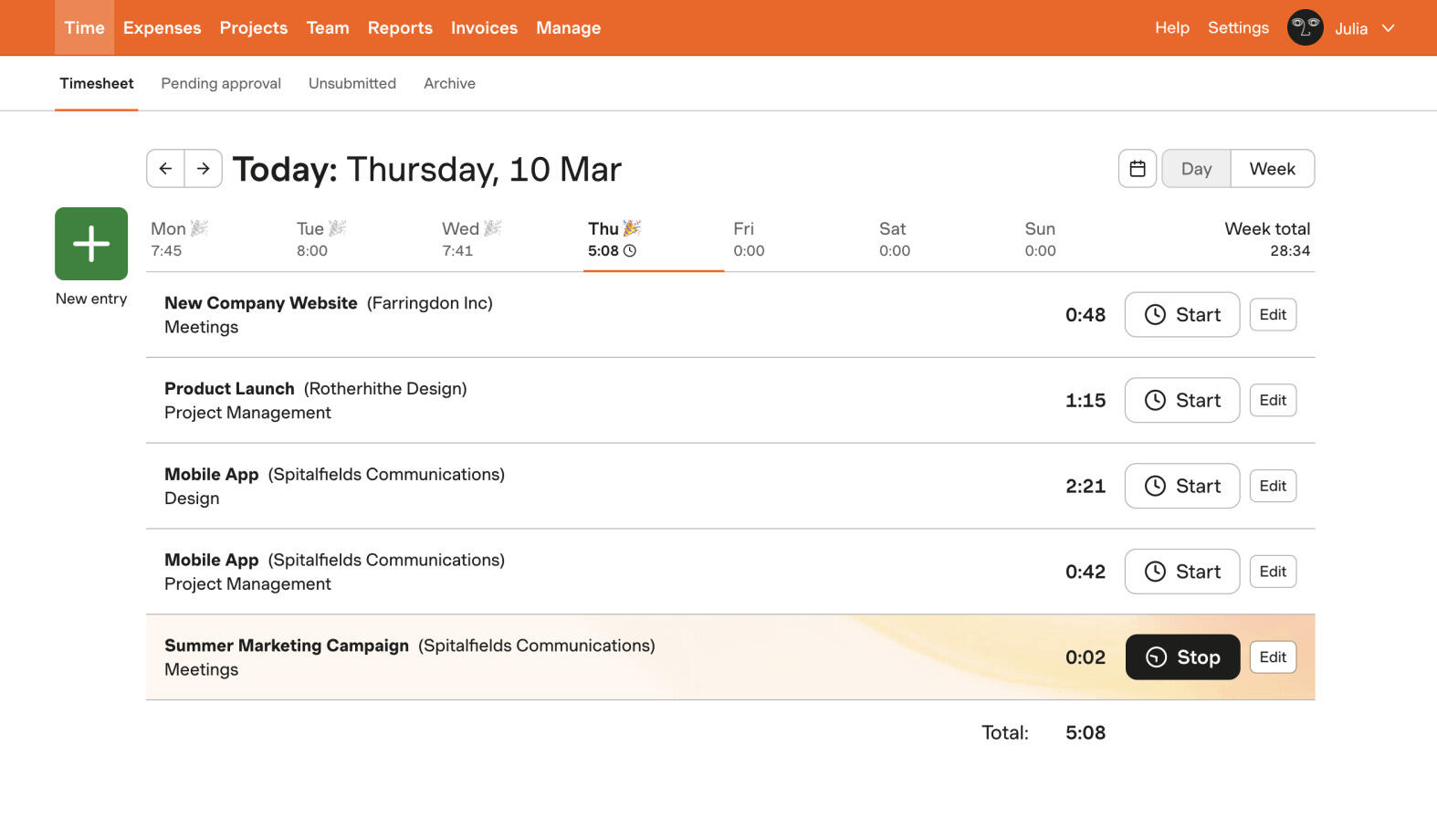
There is also a practical reason. Small teams usually do not have an operations lead whose job is to evaluate software changes, renegotiate plans, or retrain everyone on a new workflow. The owner, manager, or project lead often handles all of that personally. So when confidence drops, the fastest path is often not to wait for clarity. It is to move to something easier and more predictable.
When is it time to move away from Harvest?
It is time to consider moving away from Harvest when your team spends more time thinking about the tool than benefiting from it. That usually shows up in familiar ways: the bill becomes harder to justify, the workflow no longer feels comfortably aligned with what you need, or the team starts saying some version of we do not really feel good relying on this anymore.
A move makes especially good sense when you mainly use the basics. If your team mostly needs to start a timer, log hours, review timesheets, and keep client or project work organized, then the main question is not whether Harvest can do those things. It is whether you still want to depend on Harvest for them. When confidence drops, staying with a bigger or more uncertain setup becomes harder to defend.
It may also be time to move if your team wants to reduce administrative weight overall. Many small teams gradually realize they do not need more software depth in this category. They need fewer unknowns. That is why many teams end up comparing simpler trackers instead of waiting for the discomfort to pass. A simpler tool often improves consistency because people understand it immediately and stop treating time tracking as something they have to work around.
What should teams look for in a Harvest alternative?
Teams replacing Harvest should look first for clarity, not feature count. The best replacement is usually the one that makes daily tracking obvious, manager review quick, and pricing easy to explain. In most small-team environments, that matters more than having the broadest possible platform.
That usually means a tool with simple timers, a clearer calendar review, and straightforward reporting, plus a structure that makes sense without much onboarding. It should be easy for a team member to log time correctly and easy for a manager to review it without digging through layers of settings or plan logic.
Predictability matters too. A replacement should feel like something the team can build around for a long time without needing to keep revisiting the decision. The goal is not just to leave one tool. It is to stop thinking about this category so much in the first place.
| What the team is trying to protect | What the replacement should offer |
|---|---|
| Daily consistency | Fast time entry and a workflow people understand right away |
| Manager visibility | Clear timesheets and straightforward reporting |
| Budget confidence | Pricing that feels stable and easy to explain |
| Low admin overhead | Minimal setup and fewer layers to manage |
| Long-term comfort | A tool the team feels good depending on |
Where does Timen fit for teams leaving Harvest?
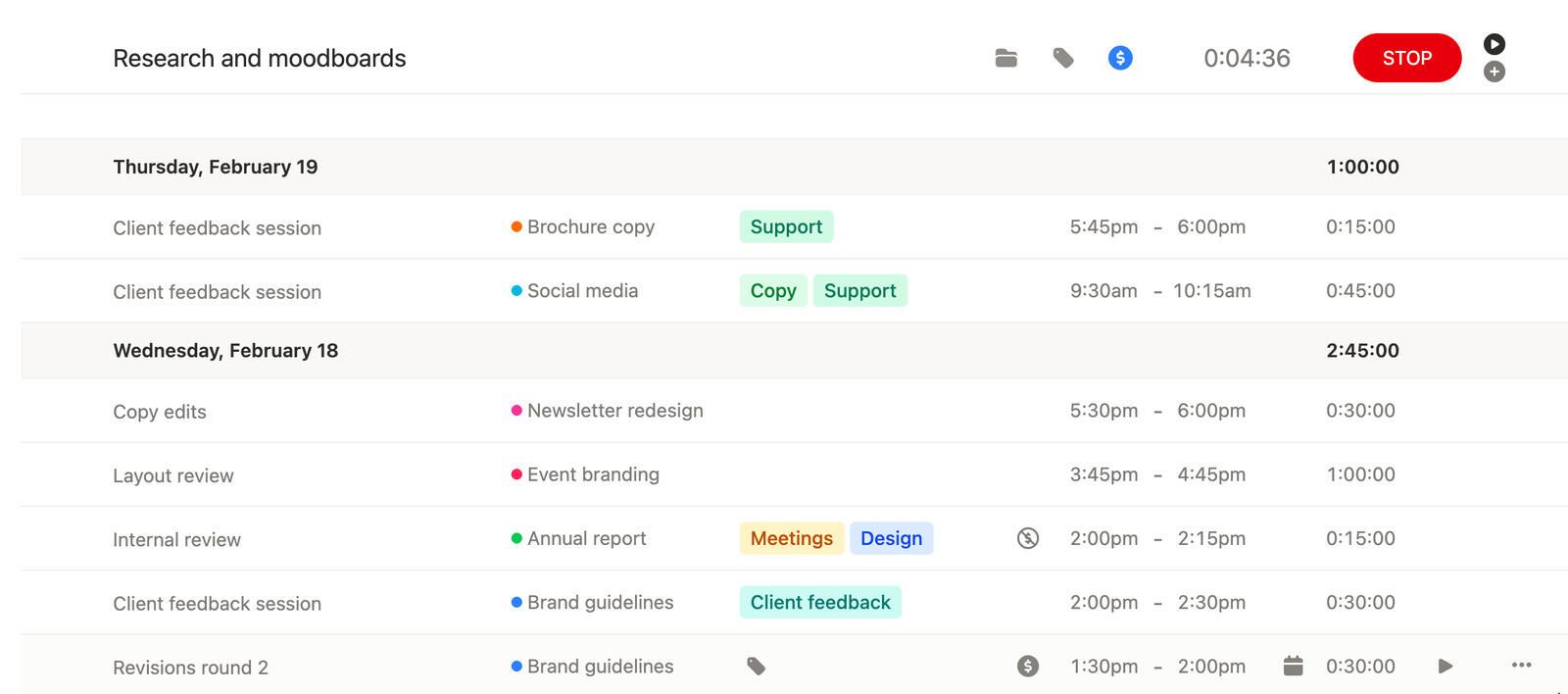
Timen fits best for teams that want time tracking to go back to being simple, calm, and dependable. It is a good option when the team does not want a bigger replacement project. It just wants a tool that covers the daily essentials clearly and gets out of the way.
That is why Timen works especially well for agencies, consultancies, and service businesses. These teams usually do not want an elaborate platform for time tracking. They want to know that hours are being logged correctly, reviewed easily, and kept organized by project or client without a lot of extra setup. When that is the real job to be done, a simpler product direction becomes a strength.
Timen is also a practical fit for teams that want to lower decision fatigue. A calmer interface and more straightforward workflow make it easier to onboard new people, keep habits consistent, and avoid the feeling that the software itself needs constant supervision. If the reason you are leaving Harvest is not that you need more power, but that you want less uncertainty, that is exactly the kind of situation where a lighter alternative becomes easier to justify.
FAQ
- Why are some teams rethinking Harvest?
- Some teams are rethinking Harvest because they feel less certain about pricing, long-term predictability, and whether the product still feels like the right fit for a stable daily workflow.
- What should small teams look for in a Harvest alternative?
- Small teams should look for simple time tracking, clear timesheets, straightforward reporting, low setup friction, and pricing that feels easy to understand and plan around.
- Was Harvest sold to Bending Spoons?
- Yes. That change is one reason some users have started paying closer attention to pricing, product direction, and whether they still want to rely on Harvest long term.
The real reason some teams are leaving Harvest
Teams do not always leave a tool because it stops working. Sometimes they leave because it stops feeling safe, predictable, or comfortable to depend on long term.
If your team mainly needs dependable time tracking, clear timesheets, and straightforward reporting, moving to a simpler tool like Timen can be a sensible way to reduce uncertainty and make the workflow feel settled again.